Looking through recent issues of the New Yorker, I came across a profile that featured a photographer who is not widely known but dedicates himself wholeheartedly to his work. The following link will lead you straight to the article, “A Photgrapher at the Ends of the Earth” by Dana Goodyear.
https://www.newyorker.com/magazine/2019/10/07/a-photographer-at-the-ends-of-the-earth
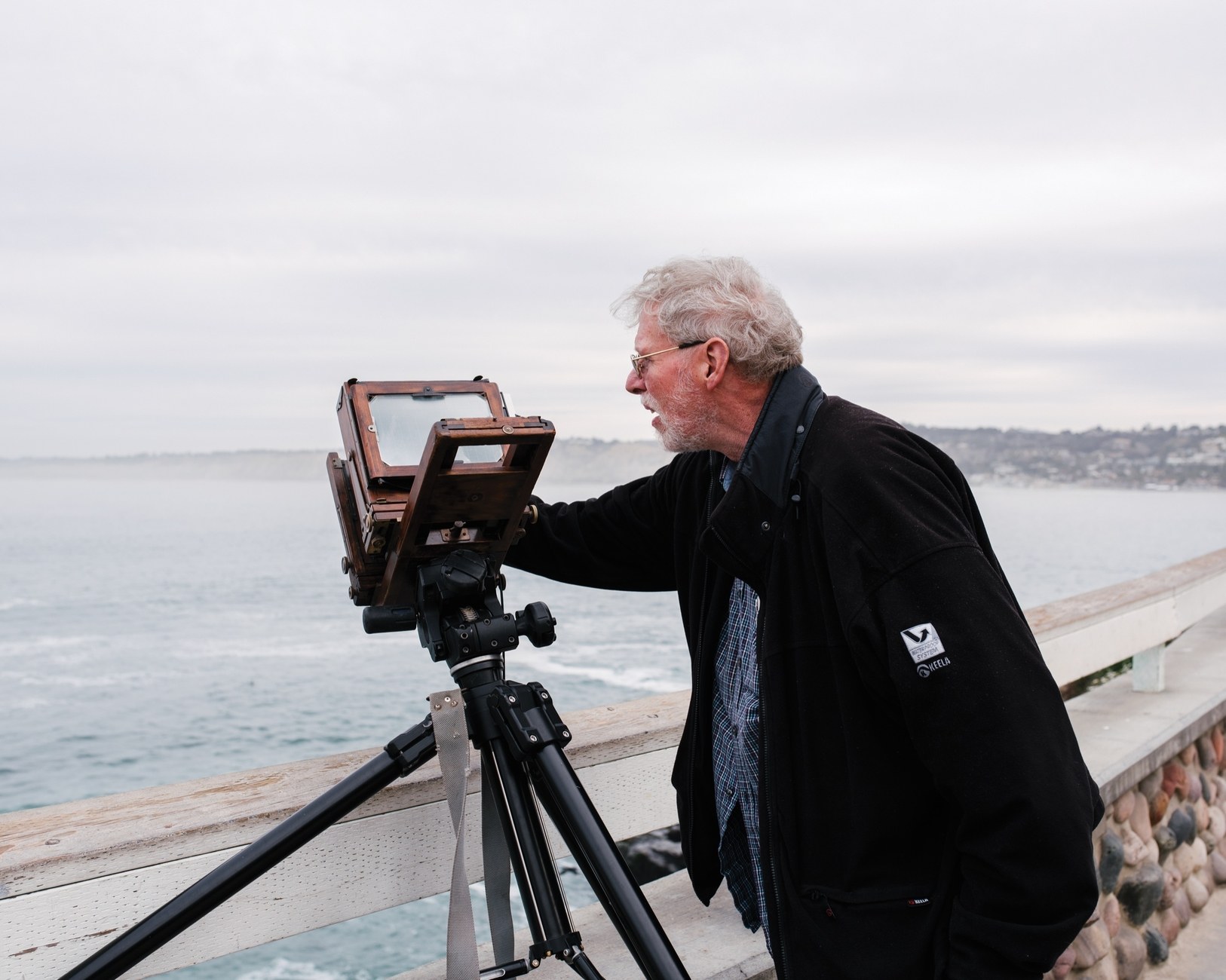
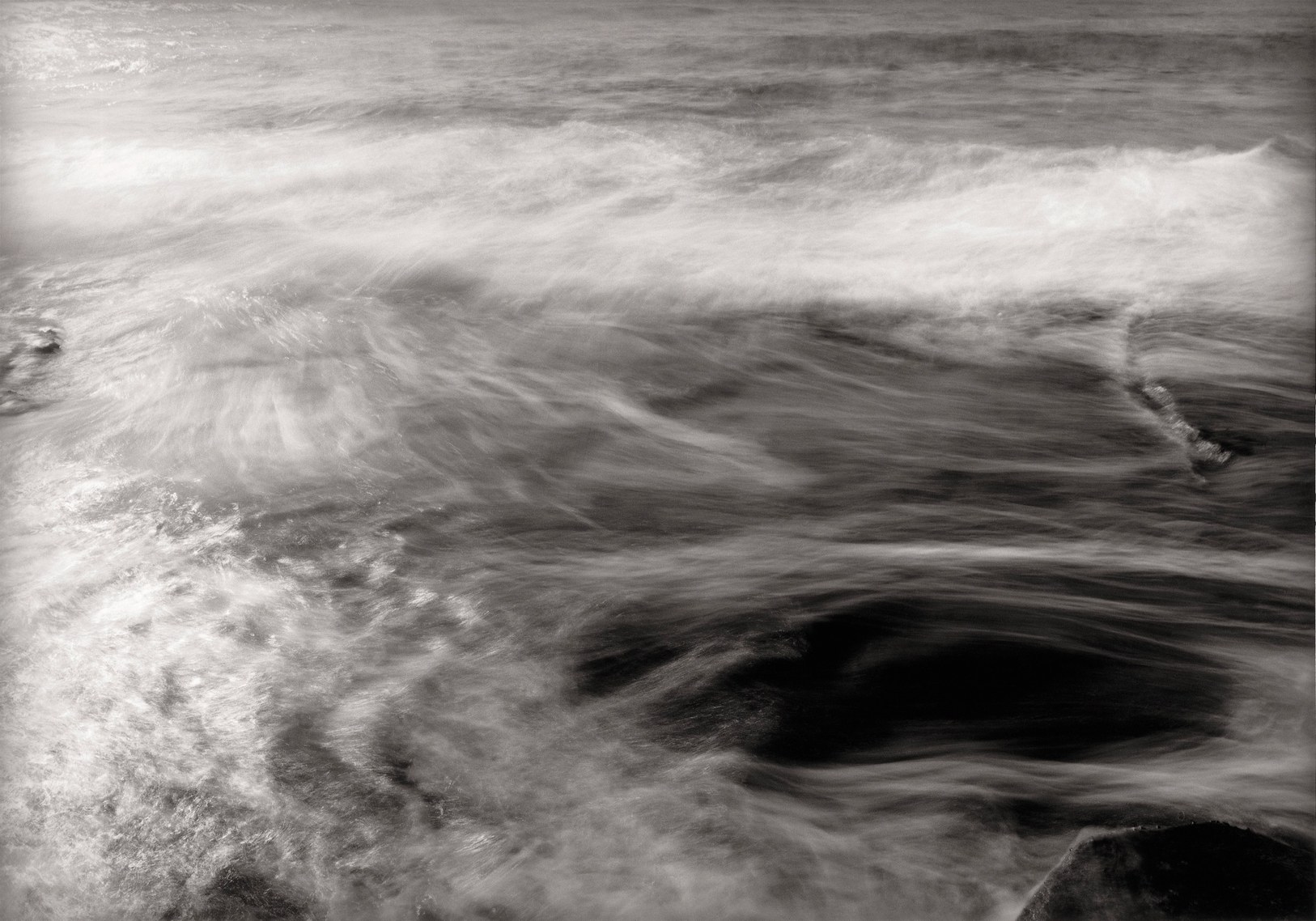
The article features Thomas Joshua Cooper, a self made photographer that travels to various remote locations to capture the depths of nature. The author begins by describing his 32 year long project “The Atlas of Emptiness and Extremity.” It is a series of black-and-white photographs taken in remote and isolated locations “on five continents and at both poles, along the perimeter of the Atlantic basin.”
Despite his age, Cooper is currently 72 years old, continues to use his analog camera to capture what he considers the “edge of the earth.” Cooper has a wooden field camera built in 1898, a significantly different tool that is typically used today. His concept for his work is capture the Atlas in an untamed nature. He takes on the role of an adventurer to obtain images without the disruption of people. Cooper was born in California and has is part Cherokee and Jewish. His distinct heritage plays a role in his work and how he captures pictures.
Throughout the article, the author provides various anecdotes about Cooper’s life and work that describe him as a humorous and dedicated photographer. His work is a tribute to his talent as a photographer and praise for nature. The author is able to bring Cooper to life in the article, by quoting him and looking at his mannerisms.
When I initially looked at the article, I was intrigues by the formatting of the article. When you click on the link you will find yourself staring at an expansive black-and-white photograph the rocky shores surrounded by misty clouds. Under the title of the article it reads “Thomas Joshua Cooper risks his life to document the world’s remotest places.” With this line the author quickly draws a reader into the work.
Then she goes on by explaining his work as what makes him so unique. His style, method, and depiction make him an intriguing character that a reader would want to know about. Since I am interested in photography I was instantly hooked by his perspective and concept in his ongoing work. His use of a wooden camera also made him more compelling to an audience stuck in a digital era. His unique skill is not common among photographers of today.
Then the author continues the article by providing several anecdotes that are both humorous and informative. With Cooper’s quotations scattered throughout the article, his person comes to life. Not only is his work influential but his character is incredibly interesting.
 Stephanie's Blog